
GLP-1 METABOLIC SUPPORT AND NUTRITIONAL INNOVATION
Charting the Next Frontier in Metabolic Health
Executive Summary
The rapid adoption of GLP-1 receptor agonists (GLP-1 RAs), including semaglutide and tirzepatide, has fundamentally transformed the treatment of obesity and metabolic disease. These therapies deliver unprecedented weight loss and improvements in glycemic control, creating a new paradigm in metabolic health management. Alongside this pharmaceutical revolution, a parallel opportunity has emerged for targeted nutritional solutions designed to support metabolic physiology, preserve lean body mass, and optimize long-term outcomes.
This evolving landscape has accelerated the development of GLP-1 supplements and metabolic support formulations, representing a multi-billion-dollar global opportunity. However, long-term success in this category depends on credible science, responsible positioning, and clinically informed formulation strategies. This white paper reviews the scientific foundation, market dynamics, and nutritional implications of GLP-1 therapy, and outlines Nutracom’s innovation strategy and position to lead the next generation of metabolic support solutions.
1. The GLP-1 Revolution in Metabolic Health
Glucagon-like peptide-1 (GLP-1) is an incretin hormone secreted from intestinal L-cells in response to nutrient intake. It plays a central role in metabolic regulation by:
Enhancing insulin secretion
Suppressing glucagon release
Slowing gastric emptying
Promoting satiety
(Drucker, 2022; Nauck and Meier, 2019)
Pharmaceutical GLP-1 receptor agonists have demonstrated extraordinary clinical efficacy. In a landmark randomized trial, semaglutide produced an average body weight reduction of 14.9% compared to 2.4% in placebo controls (Wilding et al., 2021), while tirzepatide has demonstrated weight reductions exceeding 20% (Jastreboff et al., 2022).
Global adoption has accelerated rapidly, with prescriptions increasing dramatically and market projections estimating growth from $49 billion in 2025 to $157 billion by 2035. This represents one of the most significant therapeutic advances in metabolic medicine in decades (see Figure 1)
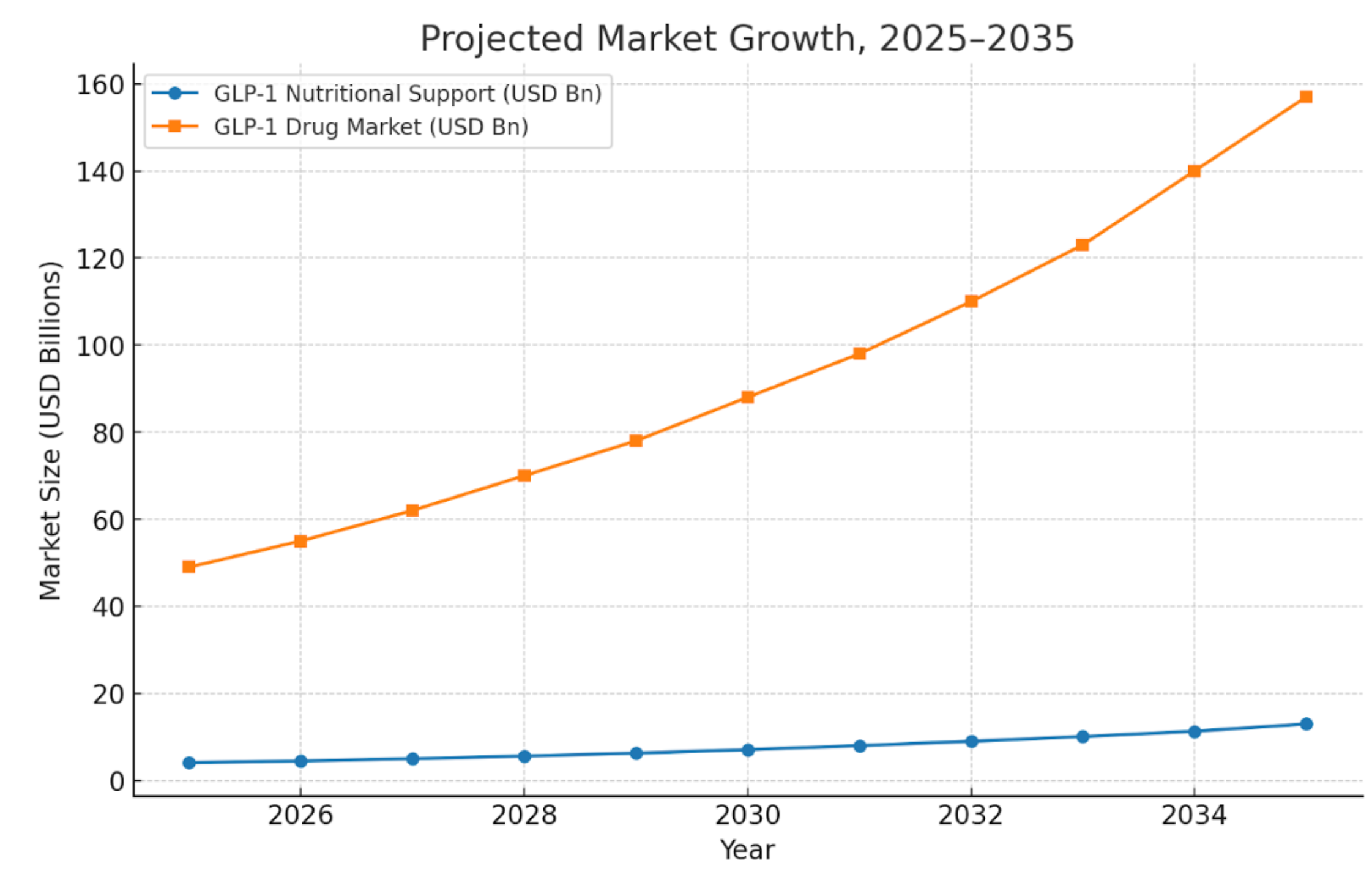
Figure 1: Projected Market Growth, 2025-2035
2. Nutritional Implications of GLP-1 Therapy
Despite their clinical benefits, GLP-1 therapies introduce important nutritional and physiological challenges that must be addressed to ensure optimal long-term outcomes.
Clinical studies indicate that approximately 25–40% of weight loss associated with GLP-1 therapy may originate from lean body mass (Wadden et al., 2021). Loss of lean mass can negatively affect metabolic rate, functional strength, and long-term weight maintenance.
In addition, appetite suppression may reduce overall nutrient intake, increasing the risk of:
Protein insufficiency
Micronutrient deficiencies
Impaired metabolic function
These physiological realities highlight the critical importance of targeted nutritional support during GLP-1 therapy.
3. Nutritional Modulation of GLP-1 and Metabolic Physiology
Emerging evidence demonstrates that specific nutrients can influence GLP-1 pathways and support metabolic health through complementary mechanisms.
Protein and Muscle Preservation
Dietary protein, particularly whey protein, stimulates endogenous GLP-1 secretion and enhances satiety and insulin response (Nilsson et al., 2007). Adequate protein intake also plays a central role in preserving skeletal muscle mass during weight loss, supporting metabolic efficiency and long-term outcomes.
Prebiotic Fibers and Gut-Derived GLP-1 Regulation
Prebiotic fibers such as inulin and oligofructose stimulate GLP-1 release through gut microbiome fermentation and short-chain fatty acid production (Cani et al., 2009). These mechanisms support both incretin signaling and overall metabolic health.
Metabolic Support Nutrients
Additional nutrients with demonstrated metabolic benefits include:
Berberine, which improves glucose metabolism (Yin et al., 2008)
Chromium, which supports glucose utilization
Probiotics, which influence metabolic regulation via microbiome modulation
Together, these ingredients provide a foundation for advanced metabolic support formulations.
4. Market Expansion and Opportunity
The rapid expansion of GLP-1 pharmacotherapy has created a parallel opportunity for science-based nutritional support.
The GLP-1 metabolic support supplement market is projected to grow from $4.1 billion in 2025 to approximately $13 billion by 2035, reflecting increasing demand for complementary nutritional solutions. Key drivers include:
Growing adoption of GLP-1 therapies
Increased consumer focus on metabolic health
Rising demand for muscle preservation and performance
Expansion of preventive nutrition and healthy aging markets
This represents a transformative opportunity for innovative nutraceutical companies.
5. Nutracom’s Leadership in GLP-1 Metabolic Support
Nutracom is uniquely positioned to lead this emerging category through its deep expertise in protein science, metabolic nutrition, and advanced formulation development.
Our strategic approach focuses on:
Science-Driven Innovation: Development of formulations based on established metabolic physiology and clinical evidence.
Advanced Protein Systems: Optimization of protein quality, digestibility, and bioavailability to support muscle preservation and metabolic health.
Integrated Metabolic Support Platforms: Combination of protein, prebiotic fiber, and targeted metabolic nutrients to address the physiological needs of GLP-1 users.
Clinical and Strategic Partnerships: Collaboration with industry partners and research institutions to validate and advance next-generation metabolic support solutions.
Through this integrated approach, Nutracom is helping define the emerging category of GLP-1 metabolic nutrition.
6. Regulatory and Scientific Integrity
As interest in GLP-1 supplements grows, regulatory scrutiny is increasing. Nutracom maintains strict scientific and regulatory standards, focusing on evidence-based structure-function claims such as:
Supports metabolic health
Supports lean muscle maintenance
Supports satiety and digestive health
This ensures regulatory compliance while maintaining scientific credibility and consumer trust.
7. Conclusion
GLP-1 receptor agonists have fundamentally transformed the treatment of obesity and metabolic disease, establishing a new paradigm in metabolic health. However, pharmacological therapy alone does not fully address the physiological and nutritional dimensions of sustainable metabolic improvement.
Targeted nutritional support plays a critical role in preserving lean muscle mass, maintaining nutrient sufficiency, and optimizing long-term metabolic outcomes. As GLP-1 therapies become increasingly integrated into clinical and consumer health strategies, science-based nutritional innovation will be essential to complement pharmacological intervention.
With its expertise in protein science, metabolic nutrition, and clinically grounded formulation, Nutracom is uniquely positioned to lead this rapidly evolving field. Through innovation, scientific integrity, and strategic collaboration, Nutracom is helping shape the future of GLP-1 metabolic support and advancing a more comprehensive approach to metabolic health.
References
Wilding JPH et al. New England Journal of Medicine, 2021
Drucker DJ. Cell Metabolism, 2022
Nauck MA, Meier JJ. Diabetes Obesity and Metabolism, 2019
Jastreboff AM et al. New England Journal of Medicine, 2022
Nilsson M et al. American Journal of Clinical Nutrition, 2007
Cani PD et al. Diabetes Care, 2009
Wadden TA et al. Obesity, 2021
Yin J et al. Metabolism, 2008